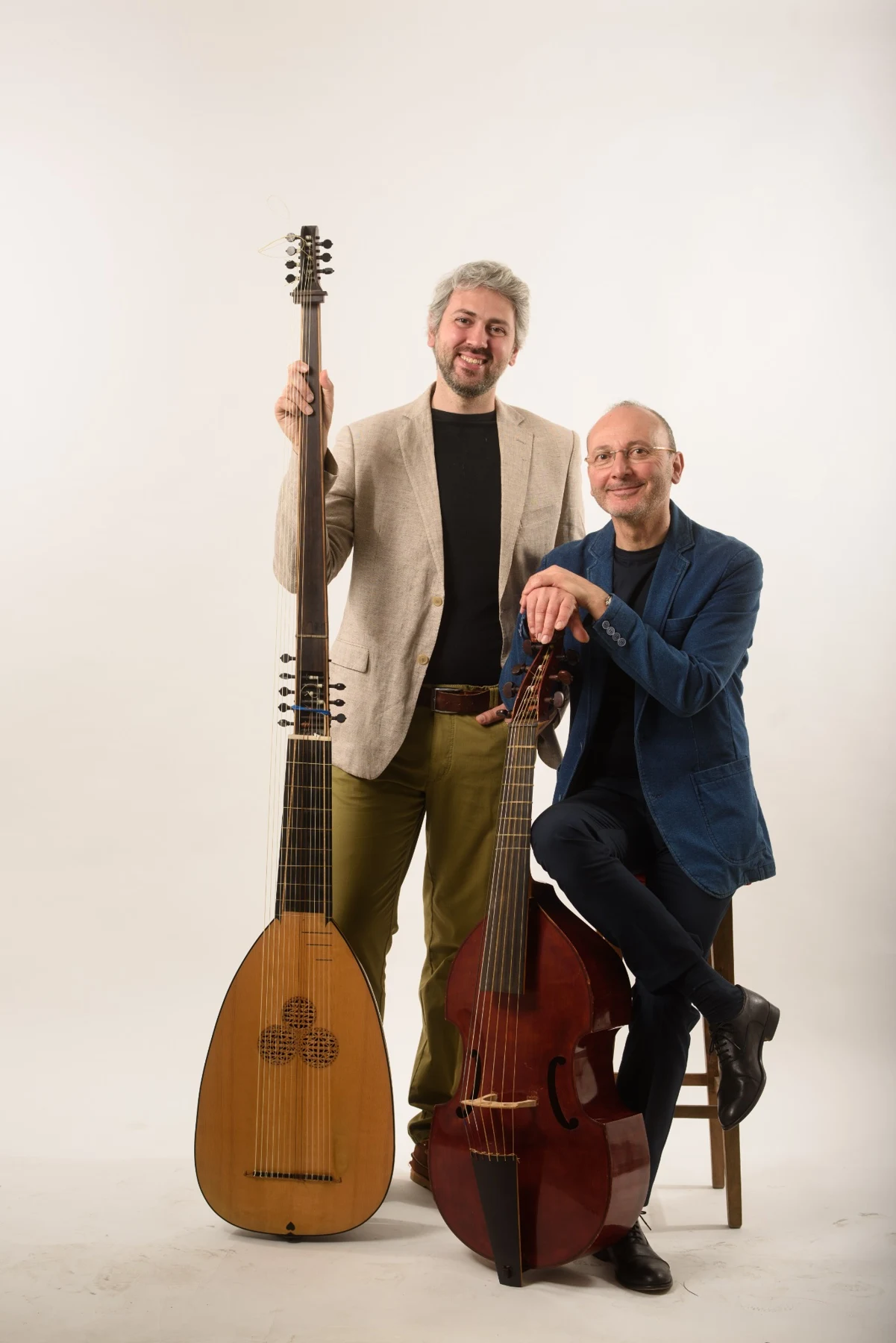
Maurizio Di Chio
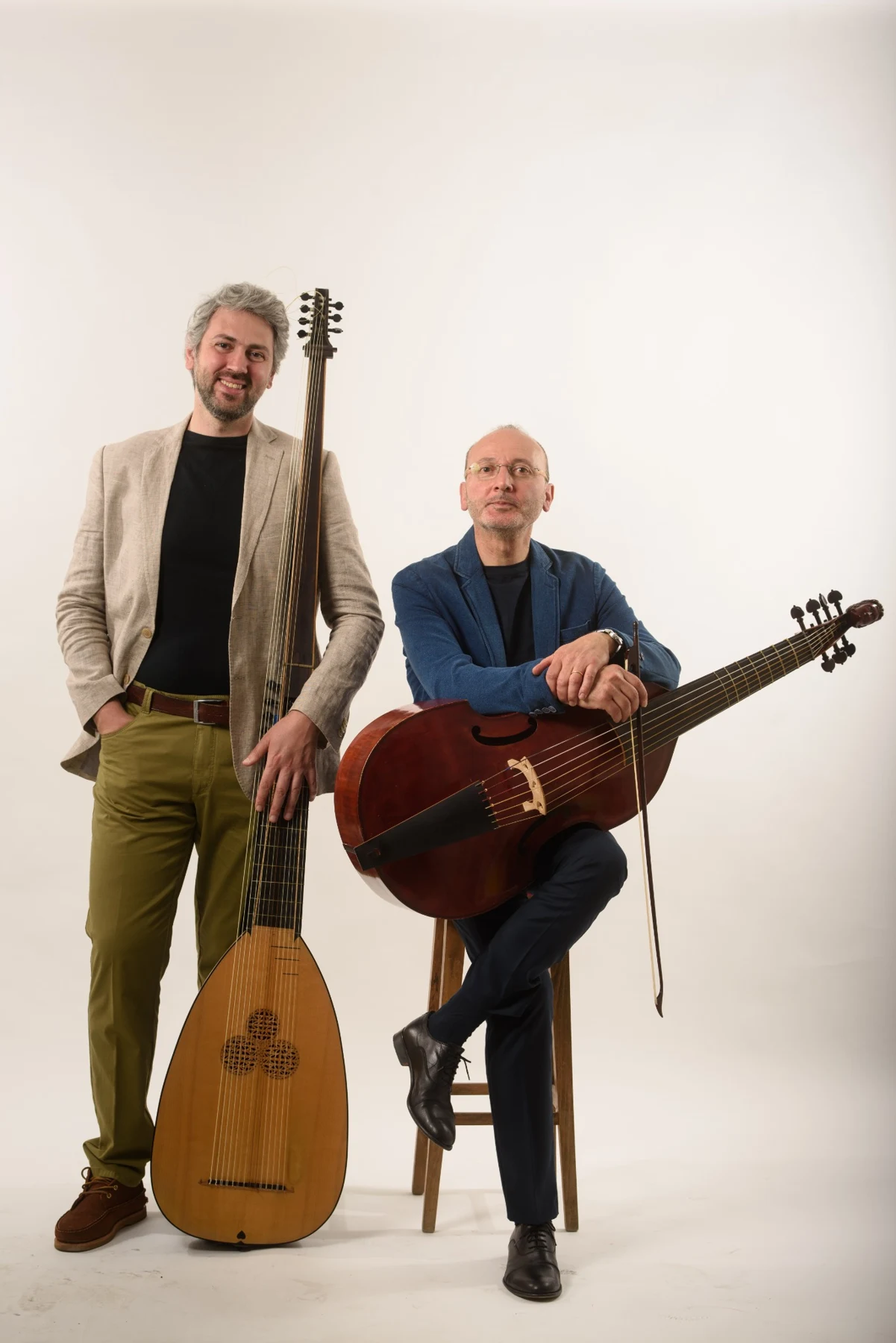
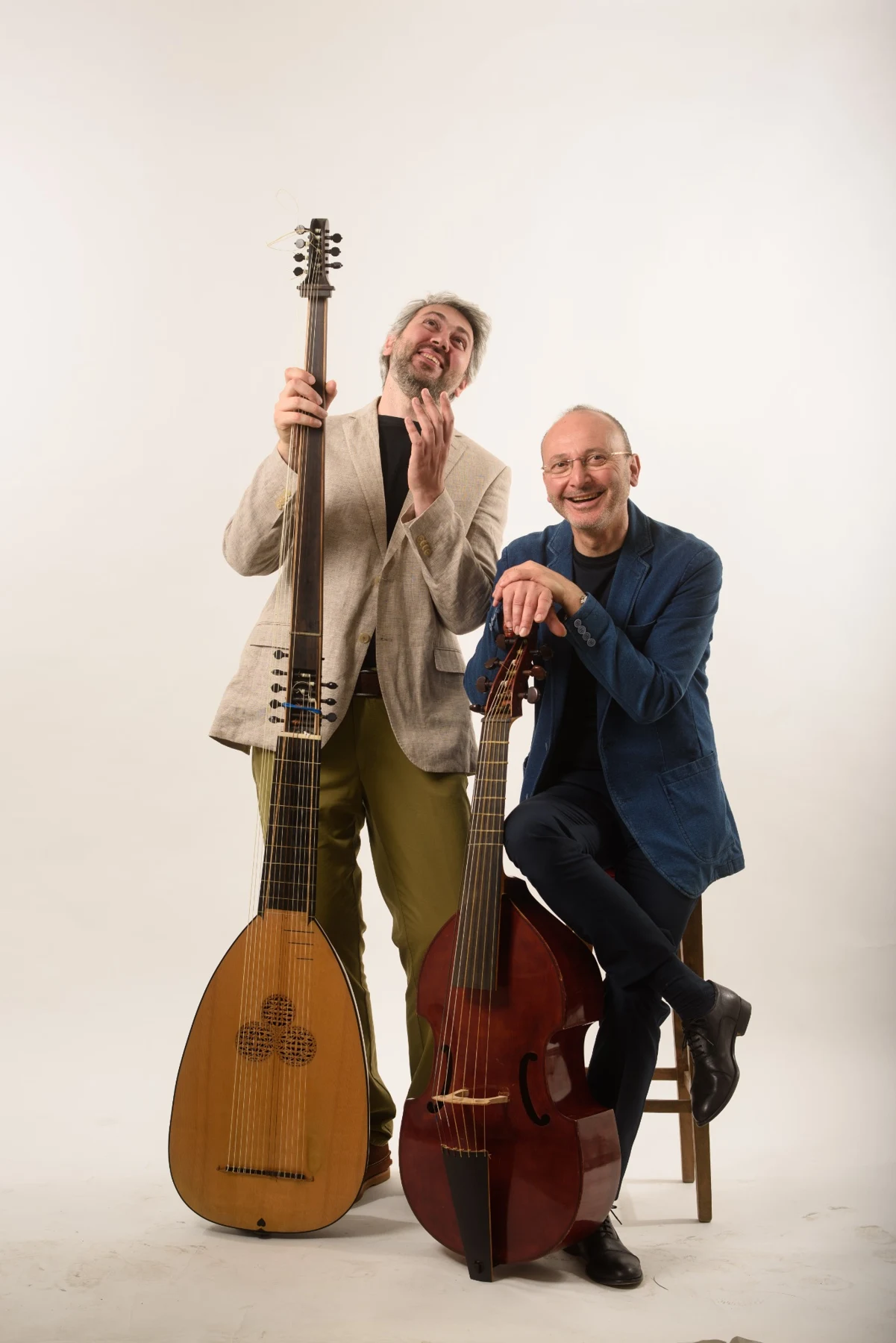
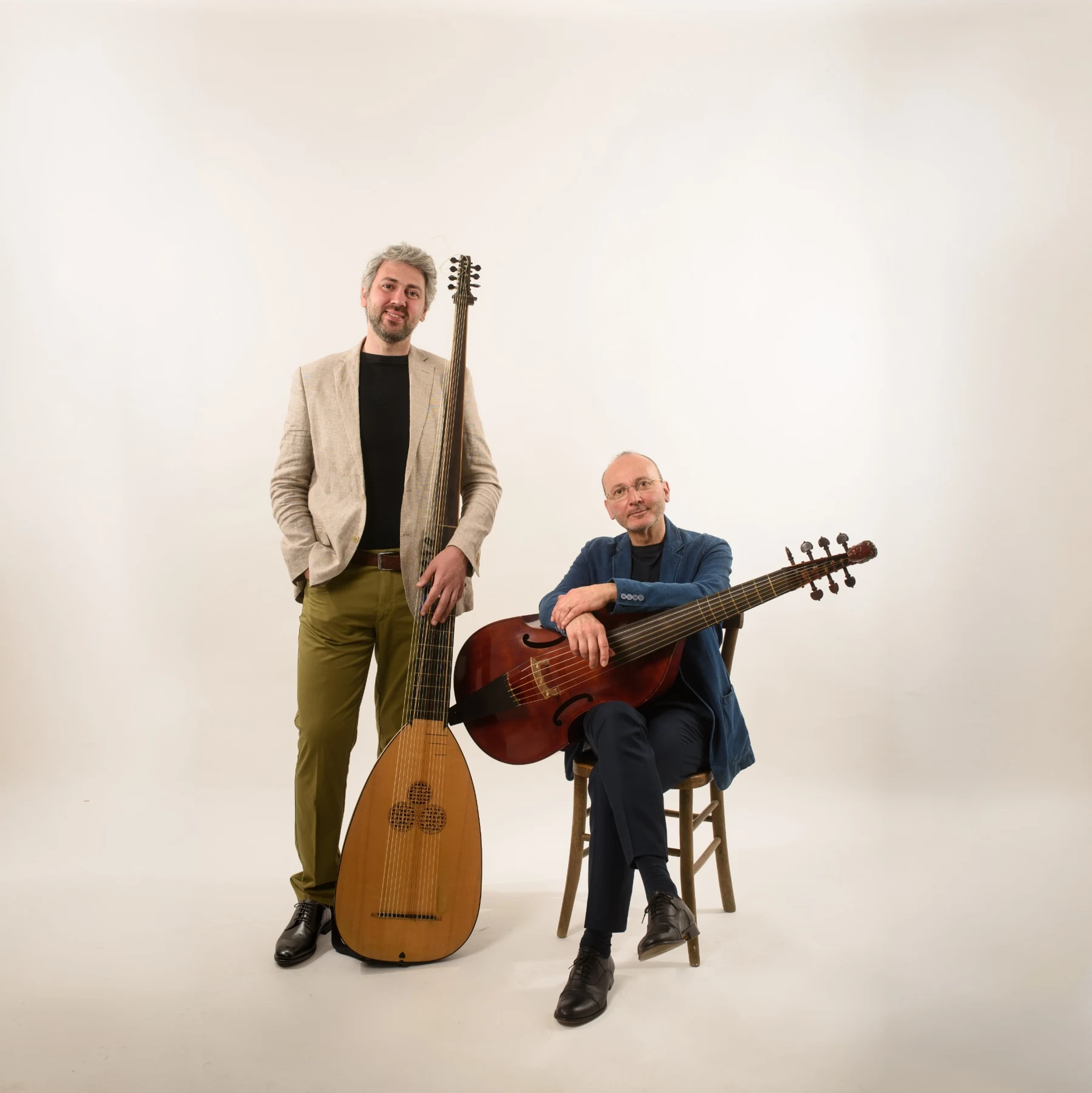
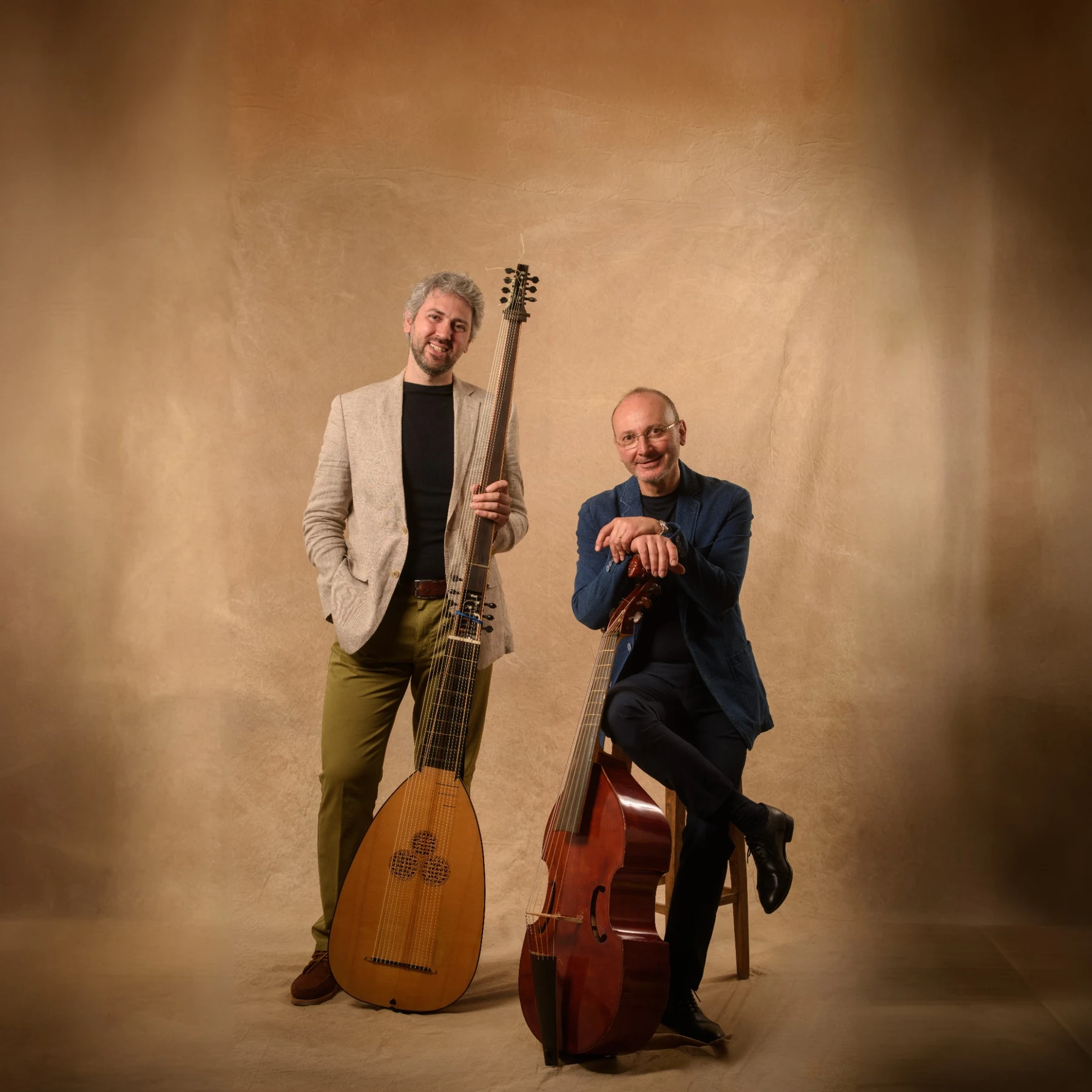
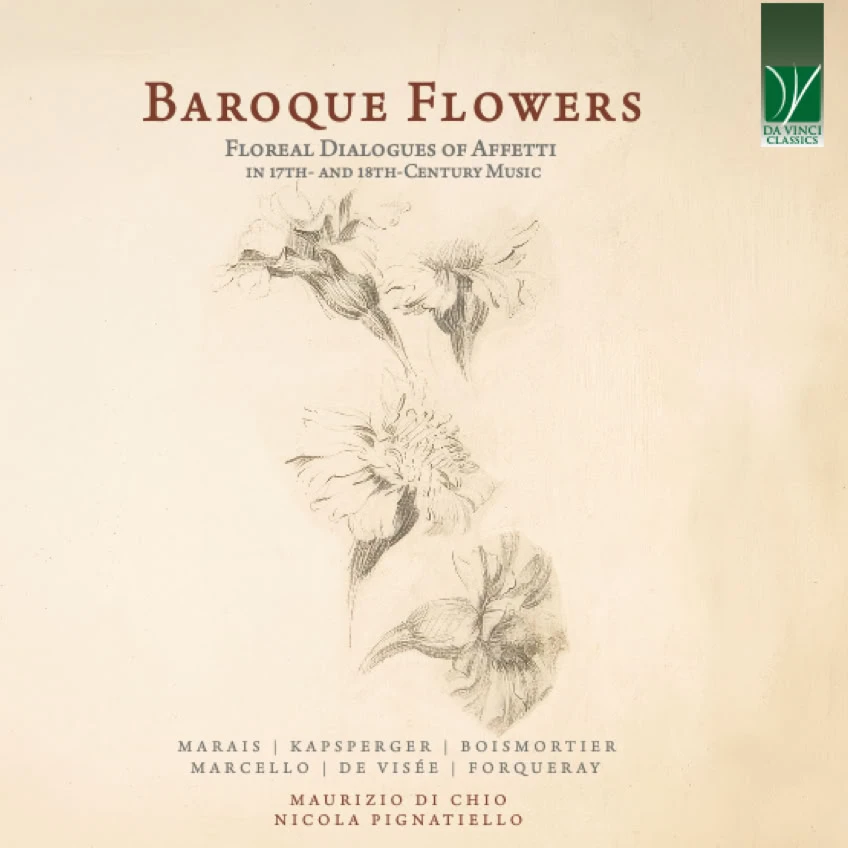
Viola da gamba player and classical guitarist, combining historical research with performance. He has recorded for Centaur Records and Da Vinci Classics.
Read full biography
Born in Rome, Maurizio Di Chio trained at the Santa Cecilia Conservatory, graduating in classical guitar and viola da gamba. He subsequently earned a master’s degree in Musicology and Musical Heritage at the University of Rome Tor Vergata, with a thesis in the philosophy of music examining aesthetic and interpretative aspects of the vihuela de mano repertoire.
His artistic practice is shaped by sustained engagement with historical sources and a rigorous musicological approach to performance practice. Through the study of early treatises, contemporary documentation and historical performance practices, he seeks to reconcile an informed understanding of sources with the expressive demands of interpretation. This balance between research and performance informs a concert activity in which repertoire, instrument and historical context are understood as mutually illuminating aspects of musical experience.
He performs both as a soloist and in chamber ensembles, presenting programmes distinguished by original concepts and a close relationship with historically informed performance. His concert activity has taken him to series, festivals and academic institutions in Italy, Spain, Turkey and Korea, including the Stresa Festival, the Department of Musicology at the University of Rome Tor Vergata, the Real Conservatorio Superior de Música “Manuel Castillo” in Seville, the Conservatorio Superior de Música in Málaga, Seoul National University, Honam University in Gwangju, the Viterbo Baroque Festival, Sapienza University of Rome and the Teatro della Pergola in Florence. His interpretations have been appreciated for their stylistic refinement, clarity of conception and sensitivity to the expressive language of early repertoires. He has recorded for Centaur Records and Da Vinci Classics.
Alongside his concert activity, he teaches and lectures, giving seminars and masterclasses on historical performance practice and the interpretation of early music at the “Francesco Morlacchi” Conservatory in Perugia, the “Licinio Refice” Conservatory in Frosinone and the “Giuseppe Martucci” Conservatory in Salerno.